








Advertisement:
12 Facts About Our Herculean Tigers And How India Is Helping For Its Survival
Date: 2018-07-29 16:39:50
Also Read: Buy GRENARO S12 Mic for YouTube or Videos.
Also Read: Buy Amazon Echo Pop | Smart speaker with Alexa and Bluetooth.
Also Read: Amazon Echo Dot (5th Gen) | Smart speaker with Bigger sound, Motion Detection, Temperature Sensor.
Also Read: 10 Best Ideas To Impress Guest At Wedding.
Also Read: 8 Things We Can Copy From Indian Celebrity Weddings.
Advertisement:
Tiger is the largest cat species. They are one of the strongest animals alive but very few are left in the world. The population has wane to huge numbers; both the factors i.e. natural as well as manmade are responsible for. If we go back 100 years ago, tigers population was nearly 1,00,000. Sadly, due to hunting and habitat loss has put them endangered, and today their range has been reduced to around 7%.
It was in late 21 century when authorities across the globe found out about the decline of tigers in the world and they started planning on how to save the mighty tigers. Many different rules were made globally, which are followed till date and more better resources are used to make their life more convenient.
Here are some facts which you all should know:
1. Tigers are naturally afraid of fire.
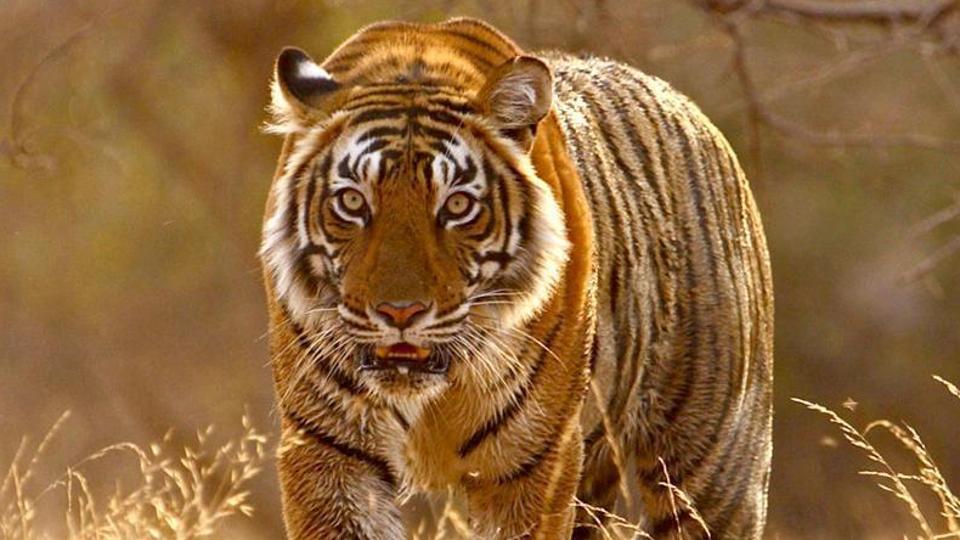
2. Tigers can weigh up to 350kgs. Tigers are carnivores that mean they eat only meat.
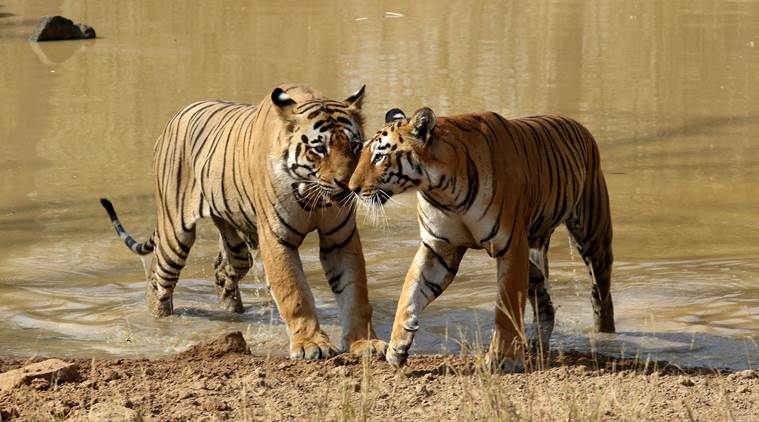
3. There were 8 subspecies of Tiger but now we are left with five subspecies: Bengal, South China, Indochinese, Sumatran, and Siberian. The species which got extinct were - Caspian, Bali, and Javan.
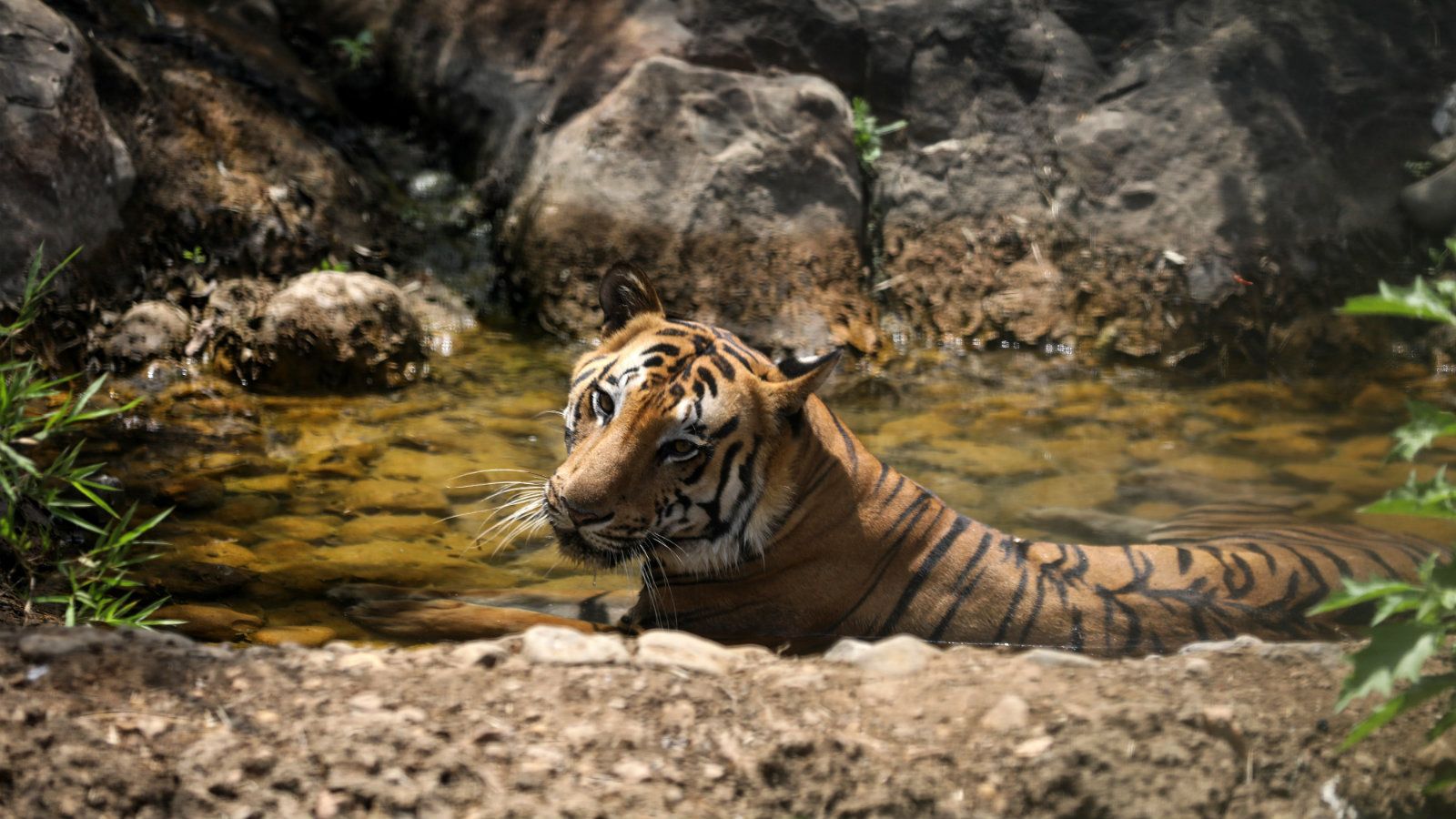
4. As there is a decline in the numbers of tigers in the world but India is the only country where we saw in increase in tigers population. There had been a 30 percent increase.
The total number of wild tigers has risen to 3,891 in 2016 according to World Wildlife Fund and Global Tiger Forum.
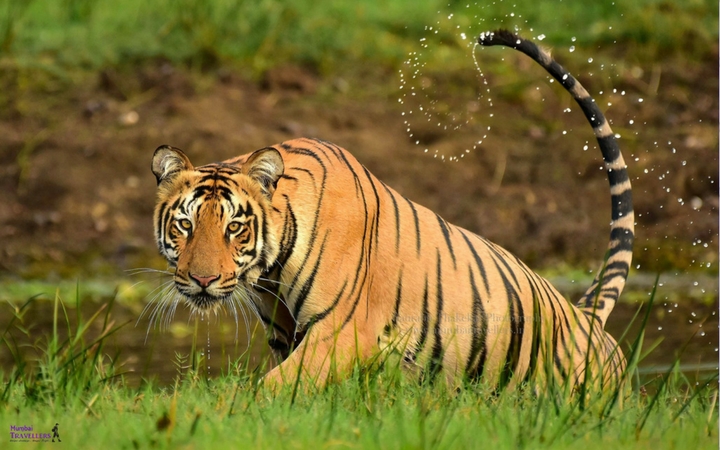
5. Like us, Every tiger in the world is unique. The stripe pattern on their body help makes them unique from one another, like our fingerprints.
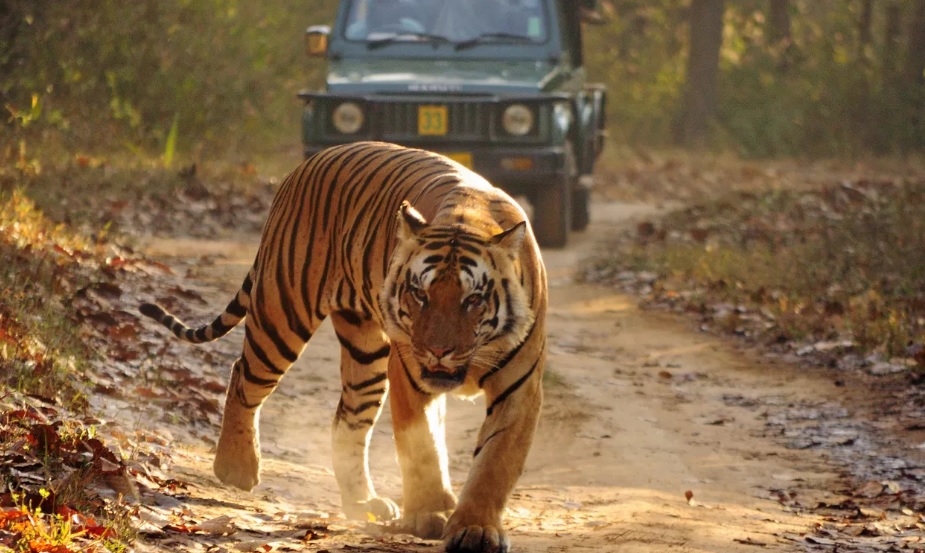
6. India has 70% of the world Tigers and the numbers are increasing each year.
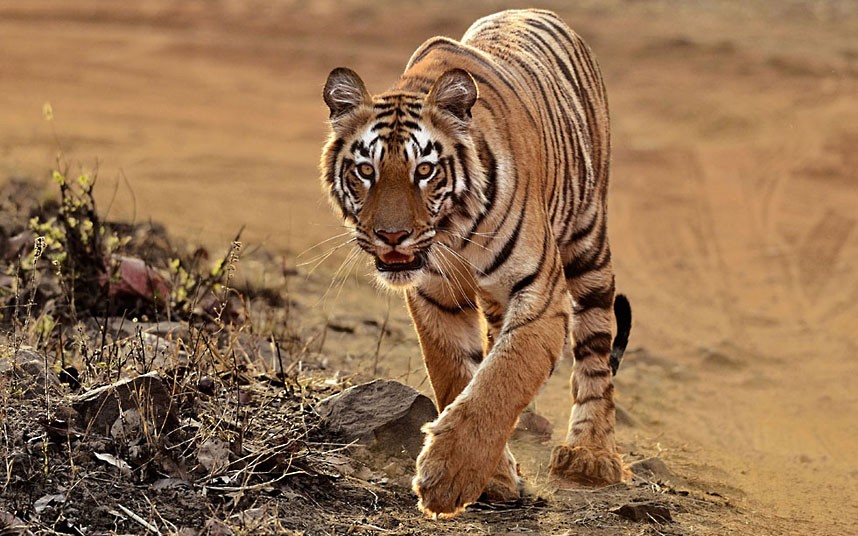
7. In 2006, there were 1,411 tigers left in India, in 2011 the number increased to 1,706 and in 2014 we had 2,226 tigers.
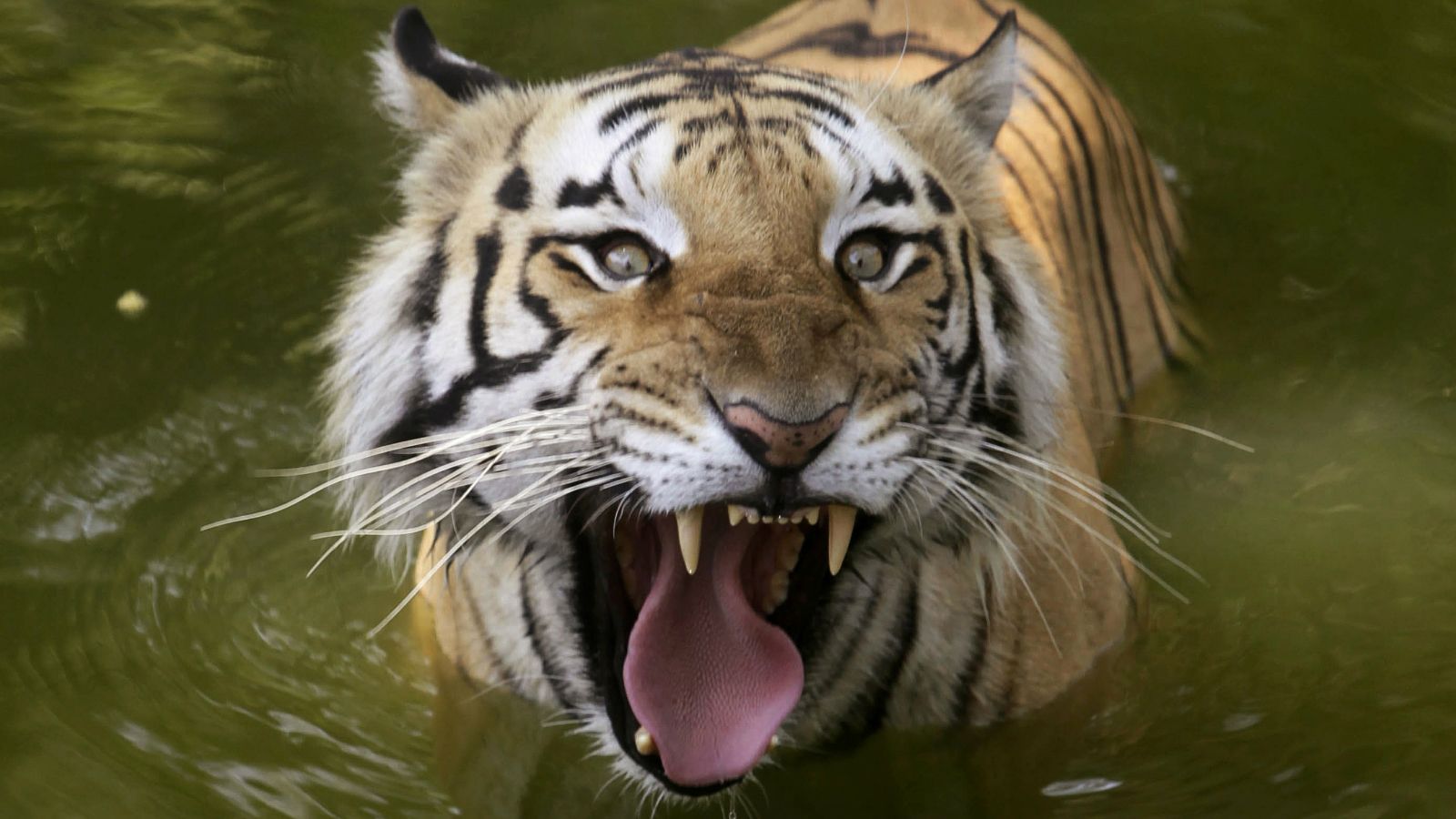
8. 14,000 cameras have been placed for capturing tiger movement, which is 4,300 more than 2014.
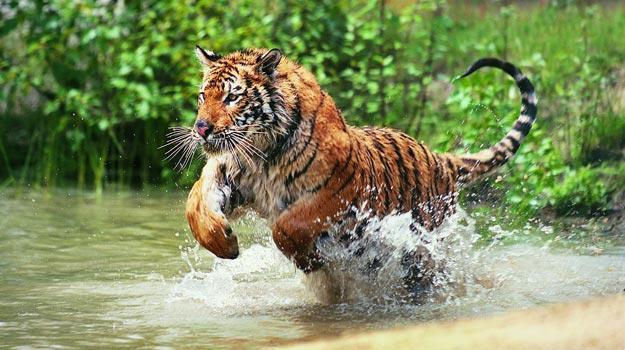
9. These camera helps find the movement and also identify through a special software that record tigers unique stripe pattern.
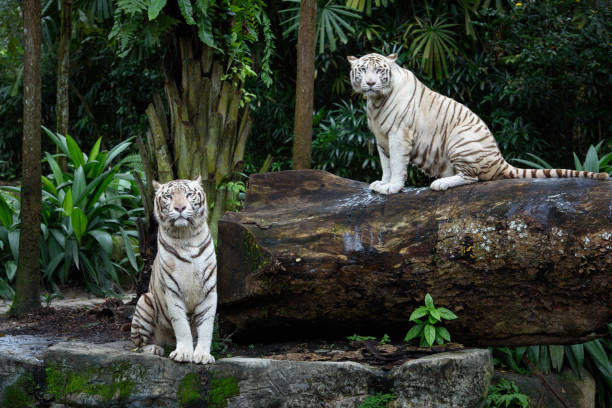
10. Strict laws by the authorities and making people aware of not killing the tigers, which will put them behind bars.
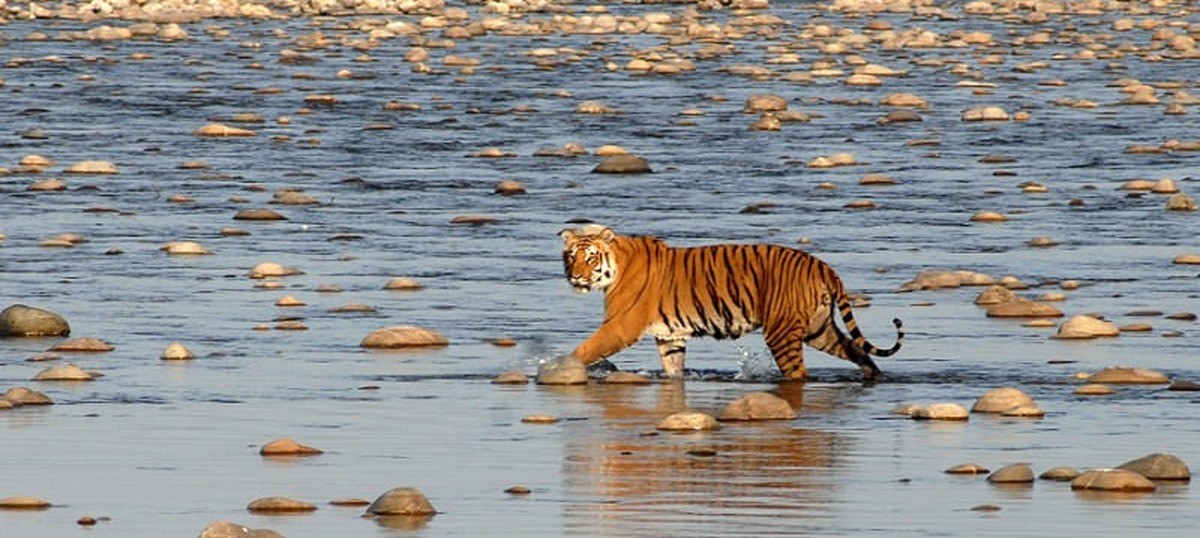
11. Russia and Indonesia have the second and third-largest tiger population after India. Russia has 433 tigers and Indonesia has 371.
Russia is making continuous efforts to double the figures by 2020.

12. Hunting of tigers has been banned worldwide.
Hunting is the main ground for the decline in tigers population and disturbing the world ecosystem.
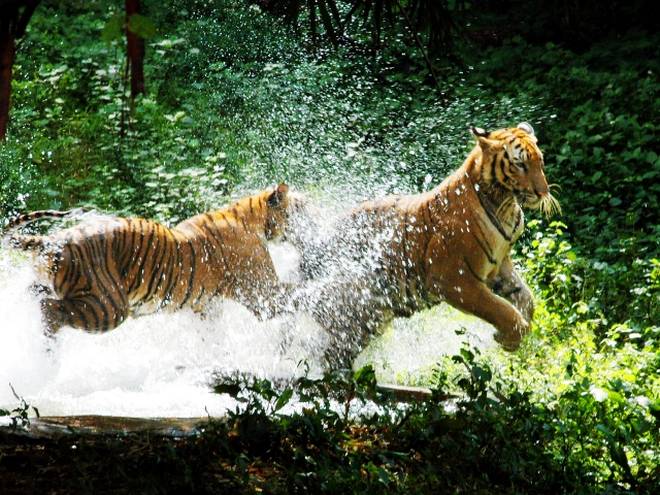
Tigers are integral to the health of the ecosystems in which they live. As apex predators, they keep prey species under control. This protects the vegetation which in turn maintains the balance between the forests and crop lands that provide people around the world with clean air, water, food and other benefits.
Trending Now.
...Play Quiz. →



Trending Memes. →



Latest Stories.

Trending Now
Advertisement: